

How Long Are Dogs Pregnant? A Week-by-Week Guide
Introduction
So, you think your dog might be expecting? Congratulations! Finding out your furry best friend is going to be a mom is incredibly exciting, but let’s be real—it’s also pretty nerve-wracking. You probably have a million questions racing through your mind right now. Is she eating enough? Why is she acting so clingy? And most importantly, how long are dogs pregnant?
- Read More :- Why Do Dogs Eat Grass? 5 Real Reasons & When to Worry
- Read More :- How Long Are Dogs Pregnant
You aren’t alone in this. I remember the first time I helped with a litter; the waiting game felt like it lasted forever. Here is the short answer: dogs are pregnant for roughly 63 days, or about nine weeks. But just like with humans, this isn’t an exact science. It can vary by a few days depending on the breed and litter size. In this guide, we are going to walk through the entire timeline so you know exactly what to expect from conception to those first tiny squeaks.
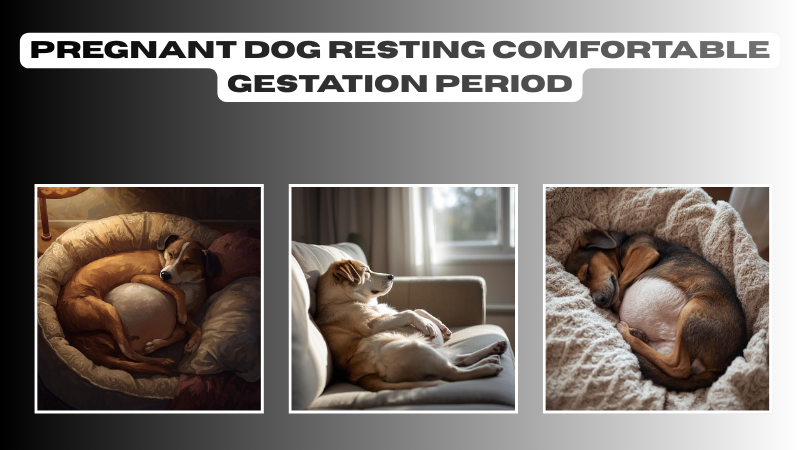
Understanding the Dog Gestation Period
When we ask “how long are dogs pregnant,” the magic number veterinarians use is 63 days. However, Mother Nature loves to keep us guessing. A normal pregnancy can actually range anywhere from 58 to 68 days.
Why the difference? It comes down to when the eggs were actually fertilized, not just when your dog mated. Sperm can survive inside the female for several days, so conception might happen days after the act itself. If you are trying to calculate the due date, marking the calendar 63 days from ovulation is your most accurate bet.
The Three Trimesters of Dog Pregnancy
Unlike humans who have nine months to prepare, dogs pack all that development into just two months. We generally split this time into three “months” or stages.
Month One: The “Wait and See” Phase (Days 0–30)
For the first few weeks, you won’t notice much. Your dog will look and act pretty normal. Inside, though, a lot is happening. The embryos are traveling to the uterine horns and embedding themselves in the lining (implantation) around day 16.
Signs to watch for:
-
Morning Sickness: Yes, dogs get it too! Around week 3 or 4, she might vomit a little or lose her appetite due to hormonal shifts.
-
Behavioral Changes: She might become extra affectionate (the “Velcro dog” effect) or a bit grumpy.
Month Two: The Growth Spurt (Days 30–55)
This is when things get real. By the start of the second month, the fetal skeletons begin to solidify. Your dog’s belly will start to swell, and she will gain weight rapidly.
Key Developments:
-
“Pinking Up”: Her nipples will become larger and turn a darker pink color. This is one of the clearest signs of pregnancy.
-
Clear Discharge: You might see a little clear, odorless discharge. This is normal.
-
Appetite Explosion: She will be hungry. Like, really hungry. It’s time to switch her nutrition (more on that later).
Month Three: The Home Stretch (Days 55–63)
We are in the endgame now. The puppies are fully formed and just growing fur and getting stronger. Your dog will start “nesting”—looking for a quiet, safe place to have her babies.
How to Confirm Your Dog Is Pregnant
You shouldn’t just guess. You need to know for sure so you can provide the right care. There are three main ways your vet can check:
1. Palpation (The Touch Test)
Around day 28, a skilled vet can gently feel the dog’s abdomen to detect little “golf ball” sized lumps. Please do not try this yourself. If you press too hard, you could damage the puppies or cause a miscarriage.
2. Ultrasound
This is the gold standard. Between days 25 and 35, an ultrasound can detect heartbeats. It’s an amazing moment to see those little flickers on the screen. It helps confirm pregnancy, but it’s not great for counting exactly how many puppies are in there.
3. X-Rays
If you want a headcount, wait until day 55. By then, the puppies’ skulls and spines are calcified (hard bone) and show up clearly on an X-ray. This is super helpful so you know when your dog is finished giving birth or if one is still stuck inside.
Caring for Your Pregnant Dog
Your dog needs you now more than ever. Here is how to keep her happy and healthy.
Nutrition Matters
For the first month, keep her diet the same. If you increase food too early, she will just get fat, which makes labor harder.
Once she hits week 5, switch her to a high-quality puppy food. Why puppy food? It’s higher in calories, protein, and calcium, which she needs to produce milk and grow skeletons. Increase her portions gradually so that by the time she delivers, she’s eating 25-50% more than usual.
Exercise: Keep It Gentle
Don’t stop walking her, but maybe skip the intense frisbee sessions. Consistent, low-impact exercise keeps her muscles toned for labor. As she gets heavier in the final weeks, let her dictate the pace. If she wants to stop and sniff or nap, let her.

Signs Labor is Starting (Whelping)
Okay, you’ve made it to week 9. How do you know the puppies are coming?
-
Temperature Drop: This is the most reliable sign. Start taking her rectal temperature twice a day in the final week. A normal dog temp is 101-102°F. About 24 hours before labor, it will drop below 100°F (usually around 98°F).
-
Loss of Appetite: She might refuse her favorite treat.
-
Restlessness: She will pace, pant, dig at her bedding, and look uncomfortable.
-
Shivering: It’s not cold; it’s hormones and nerves.
When you see these signs, settle in. The puppies are on their way!
Frequently Asked Questions (FAQs)
1. Can a dog be pregnant for 70 days? It is possible but concerning. If your dog goes past day 65 without showing signs of labor, call your vet immediately. There could be an issue with the puppies’ size or the uterus that requires a C-section.
2. Can I use a human pregnancy test on my dog? No, these won’t work. Human tests detect HCG, a hormone dogs don’t produce. Dogs produce a hormone called Relaxin, which requires a specific blood test from the vet.
3. Do dogs get morning sickness? Yes! Just like humans, hormonal changes around the 3rd or 4th week can cause nausea and a lack of appetite. It usually passes quickly. If she stops eating for more than 24 hours, though, see a vet.
4. How many puppies can a dog have? It varies wildly by breed. A Chihuahua might have 1–3 puppies, while a Golden Retriever or Great Dane could have 8–12 (or more!). The record is 24 puppies born to a Mastiff!
5. Should I leave my dog alone while she gives birth? No, but give her space. You should be present to monitor for complications, but don’t hover or stress her out. Let her do her instinctual work unless she seems in distress.
How Long Are Dogs Pregnant Conclusion
Knowing how long dogs are pregnant is just the first step in this incredible journey. While the 63-day wait might test your patience, use this time to prepare. Set up a cozy whelping box, stock up on puppy food, and give your mama dog plenty of belly rubs (carefully!).
Remember, most dogs are natural pros at this. Trust her instincts, keep your vet’s number on speed dial, and get your camera ready. You are about to have a house full of puppies, and honestly, there is nothing better than that.
Have you ever cared for a pregnant dog? Share your tips or questions in the comments below!